Beyond Human Cities: Nature’s Voice At The Design Table
12 February 2025
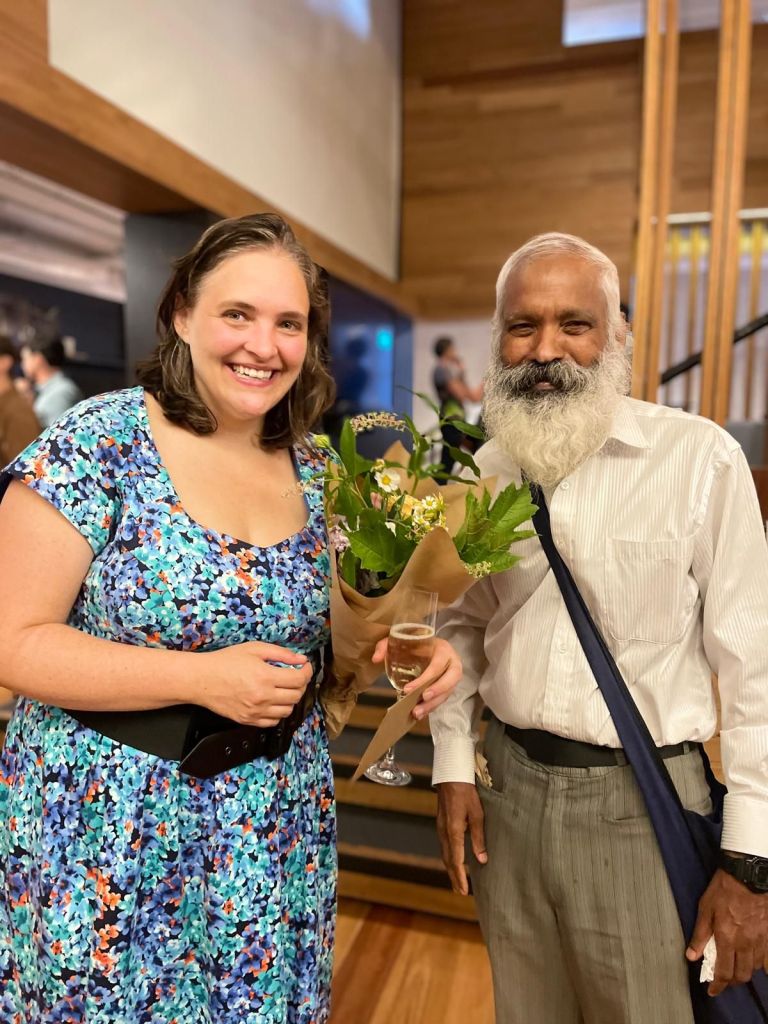
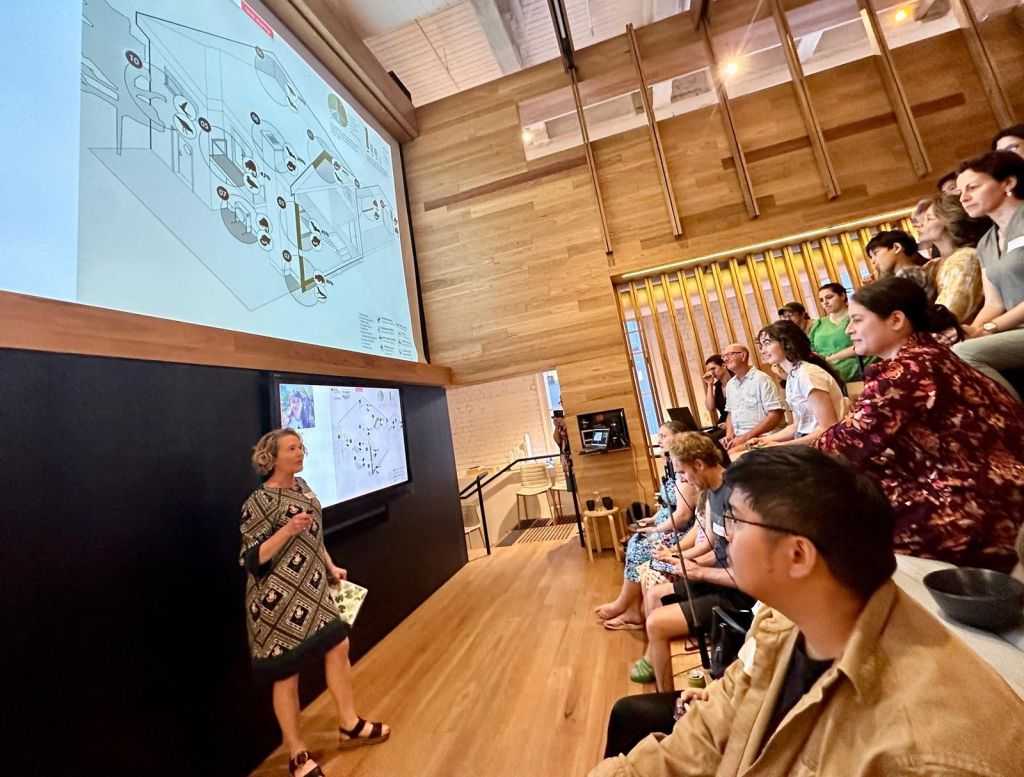
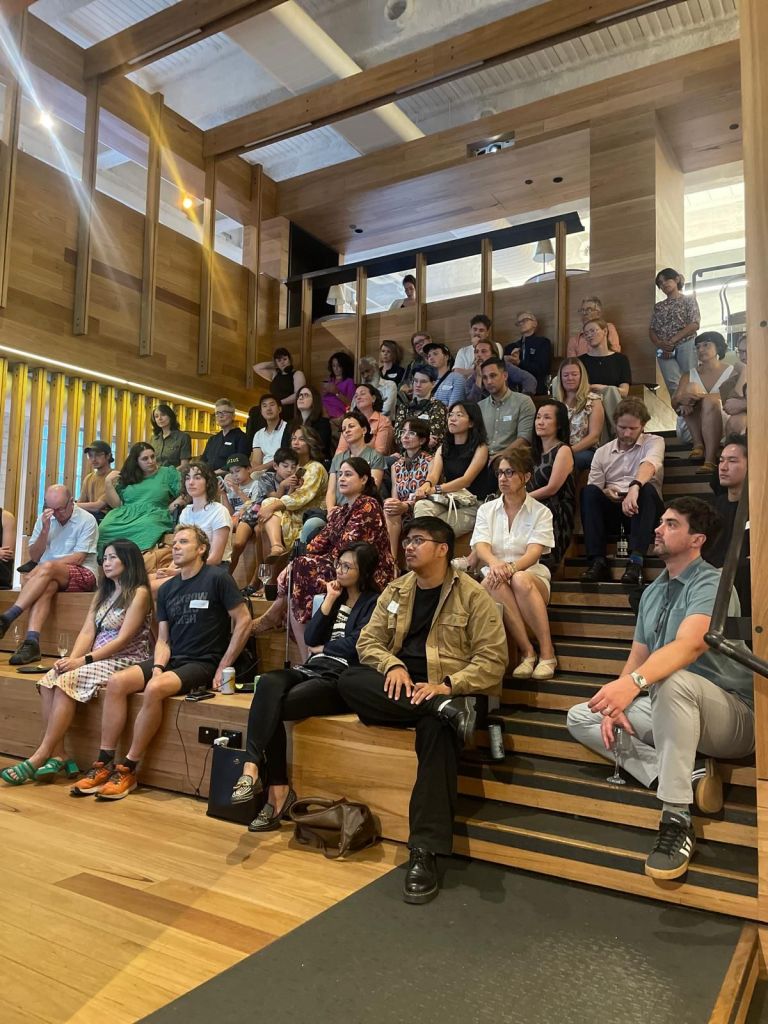
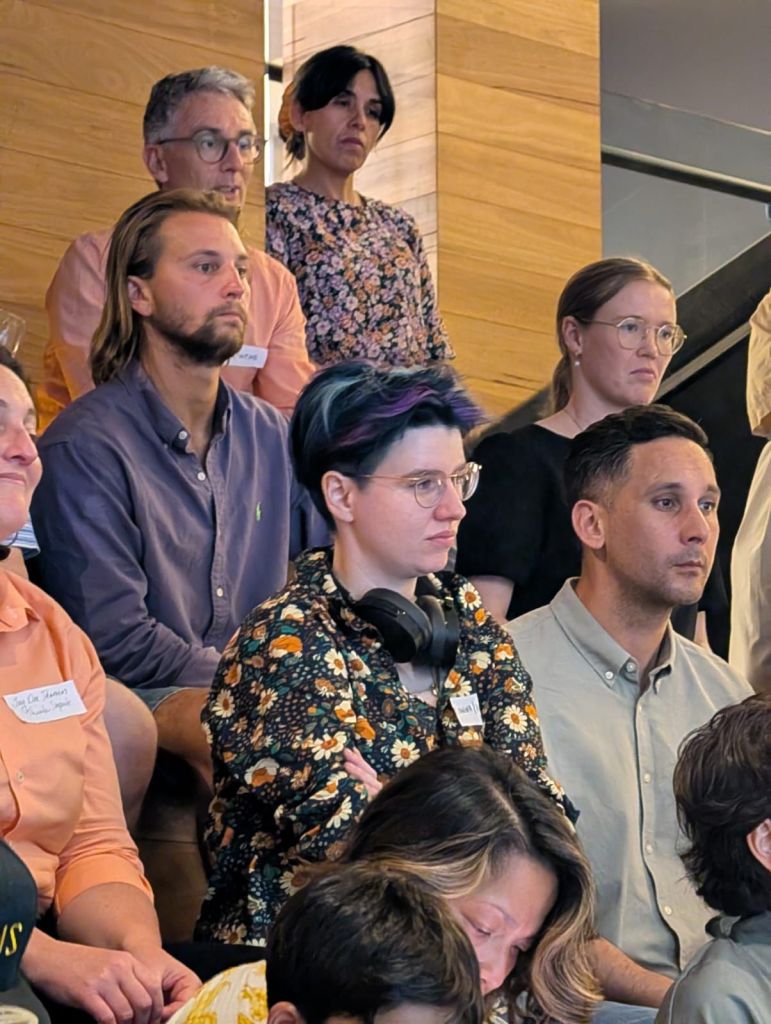
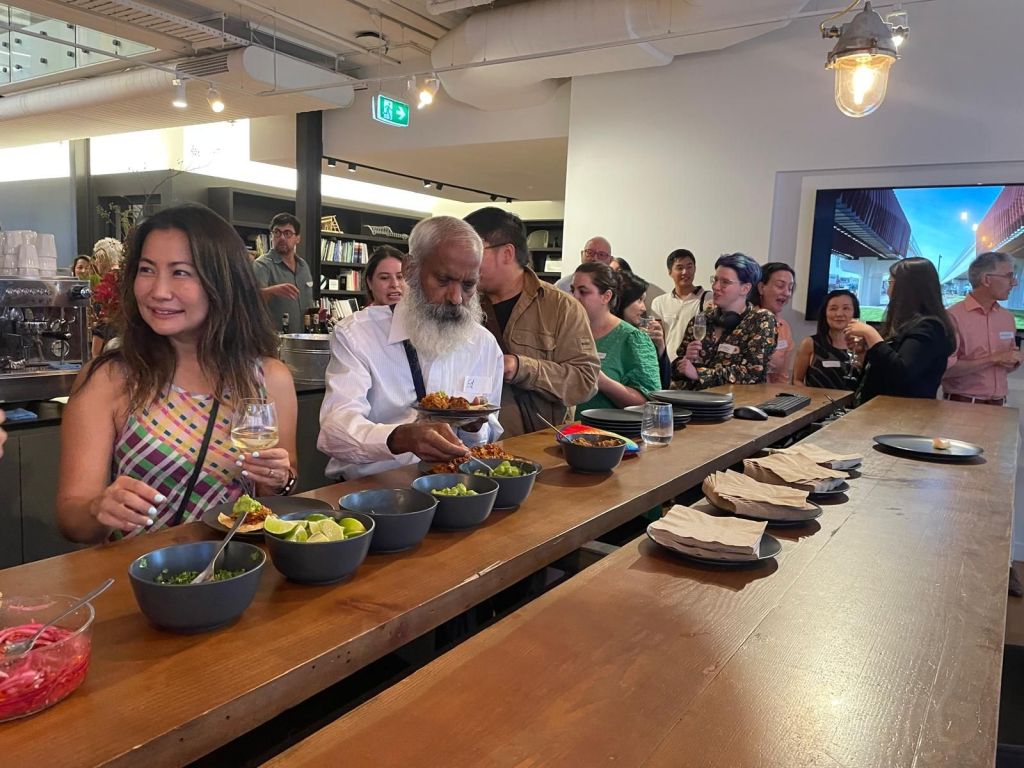
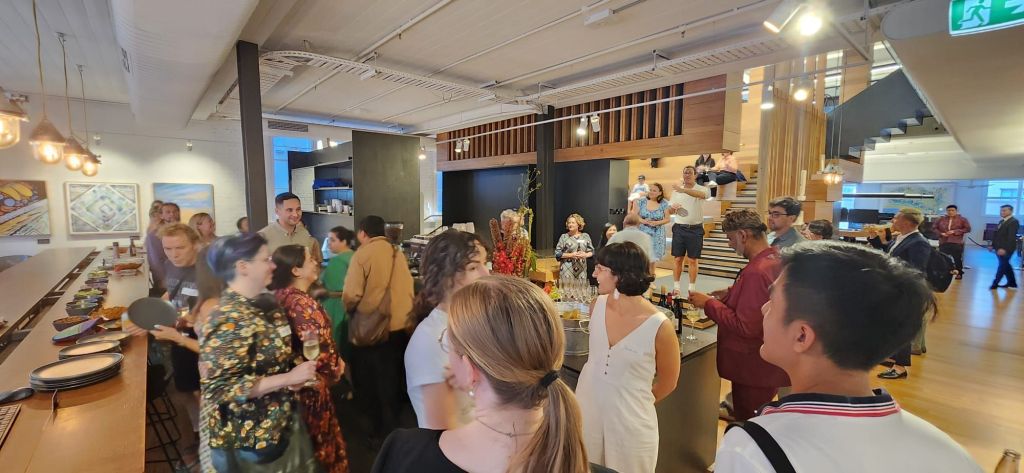
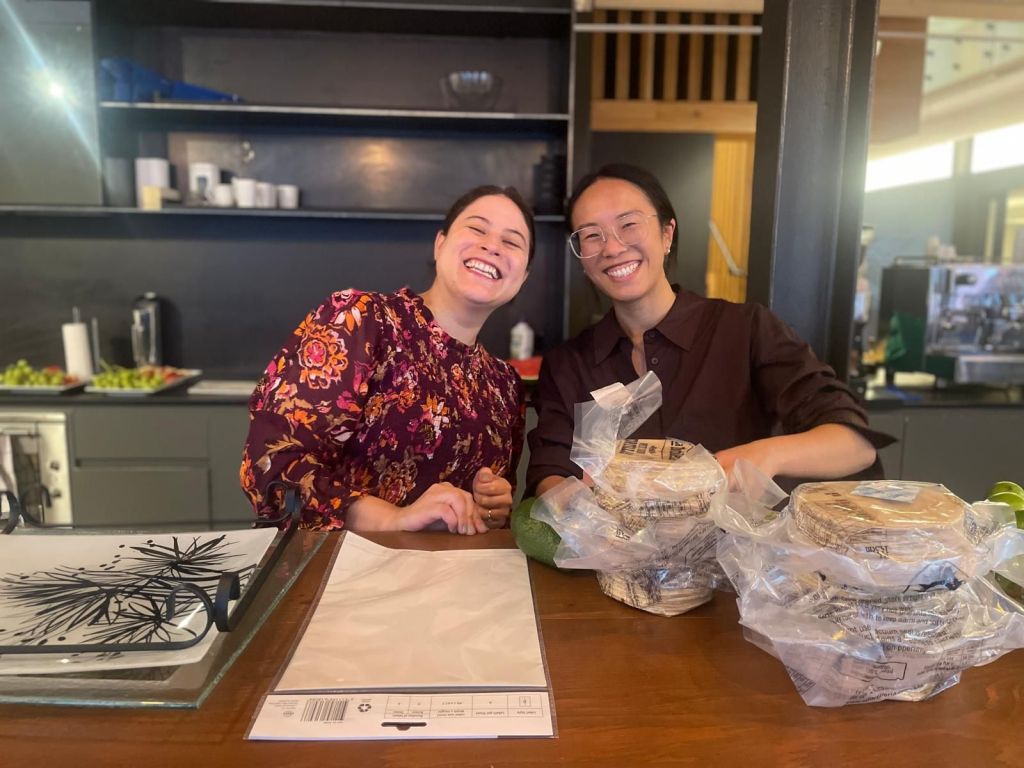
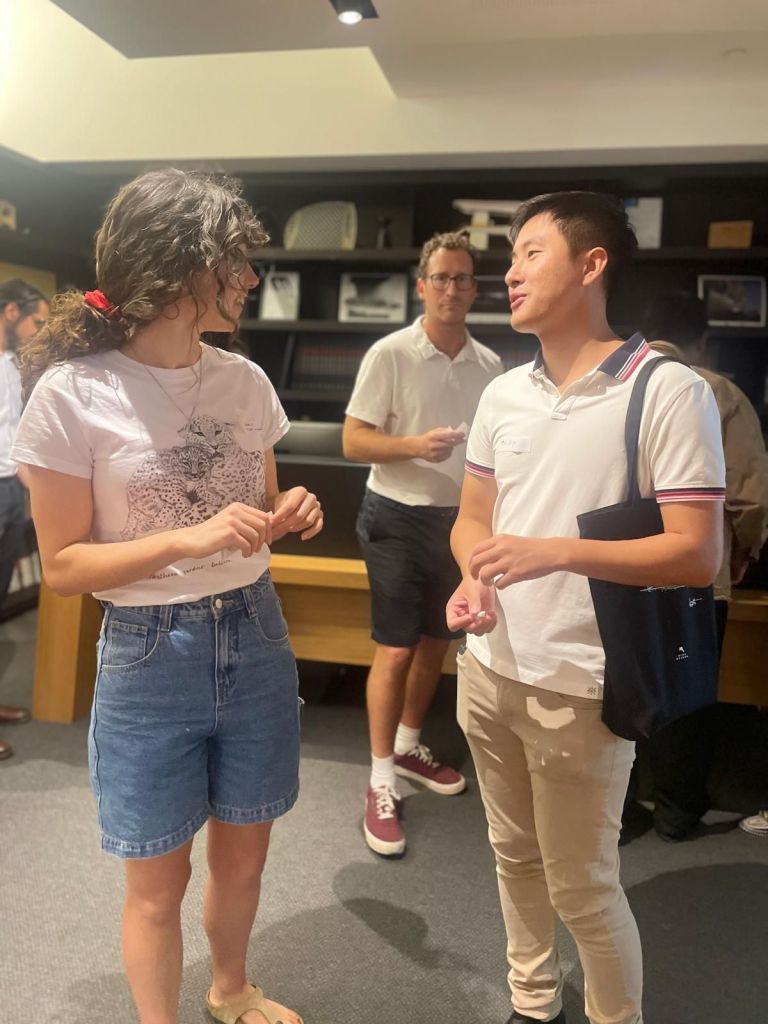
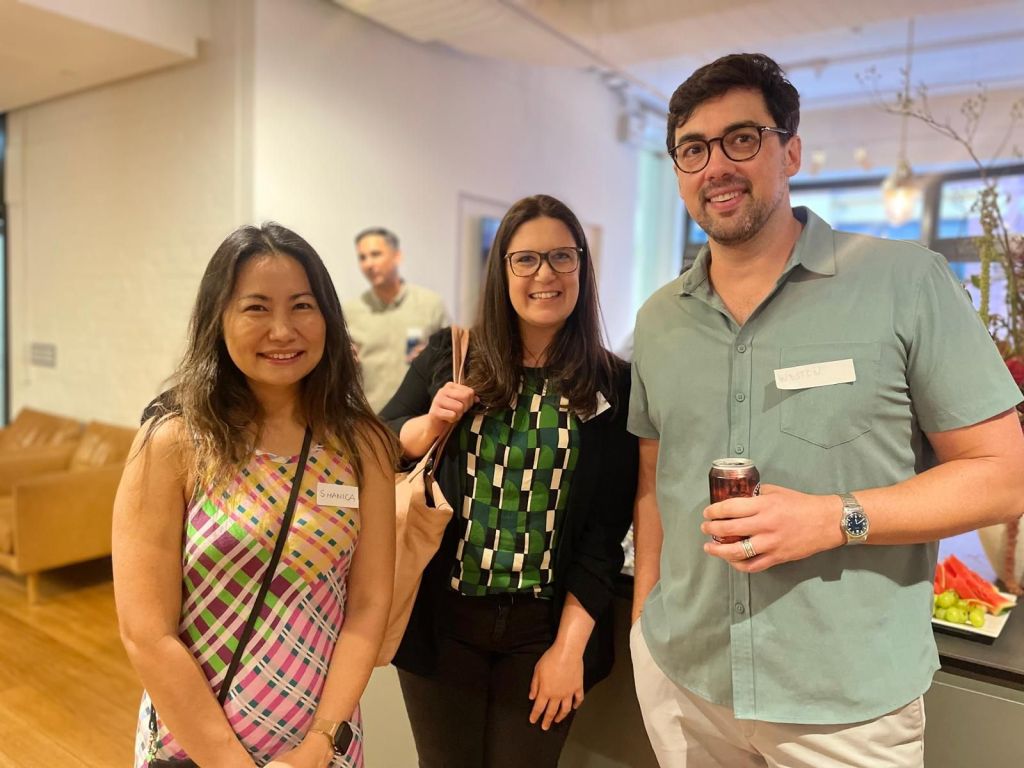
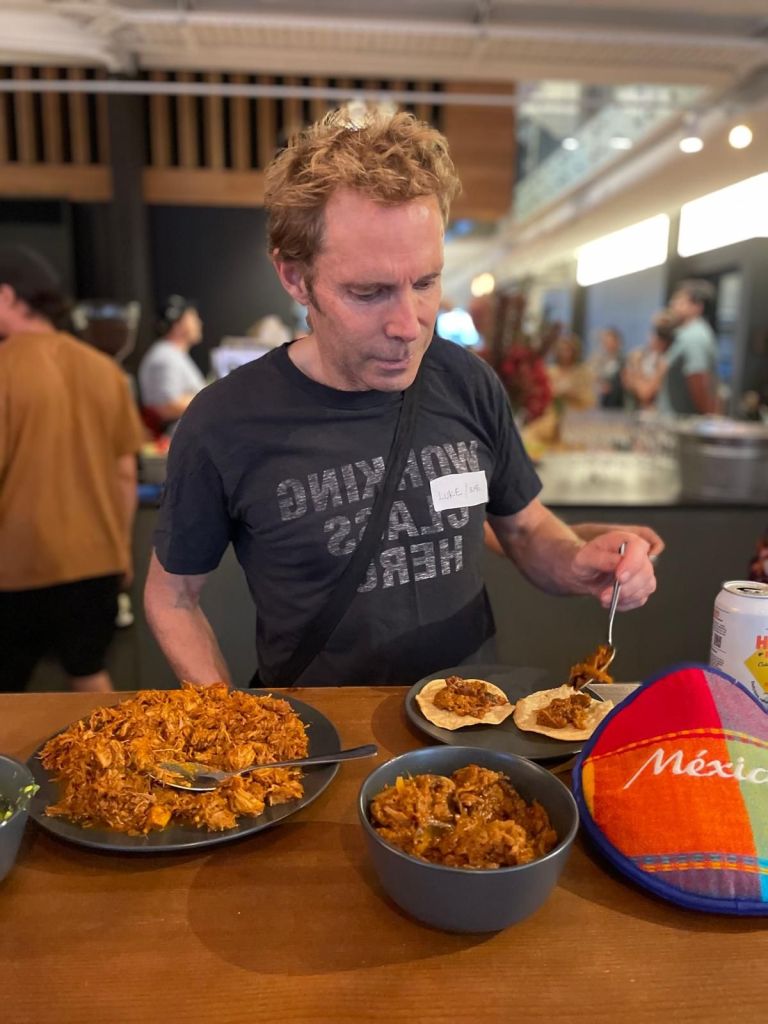
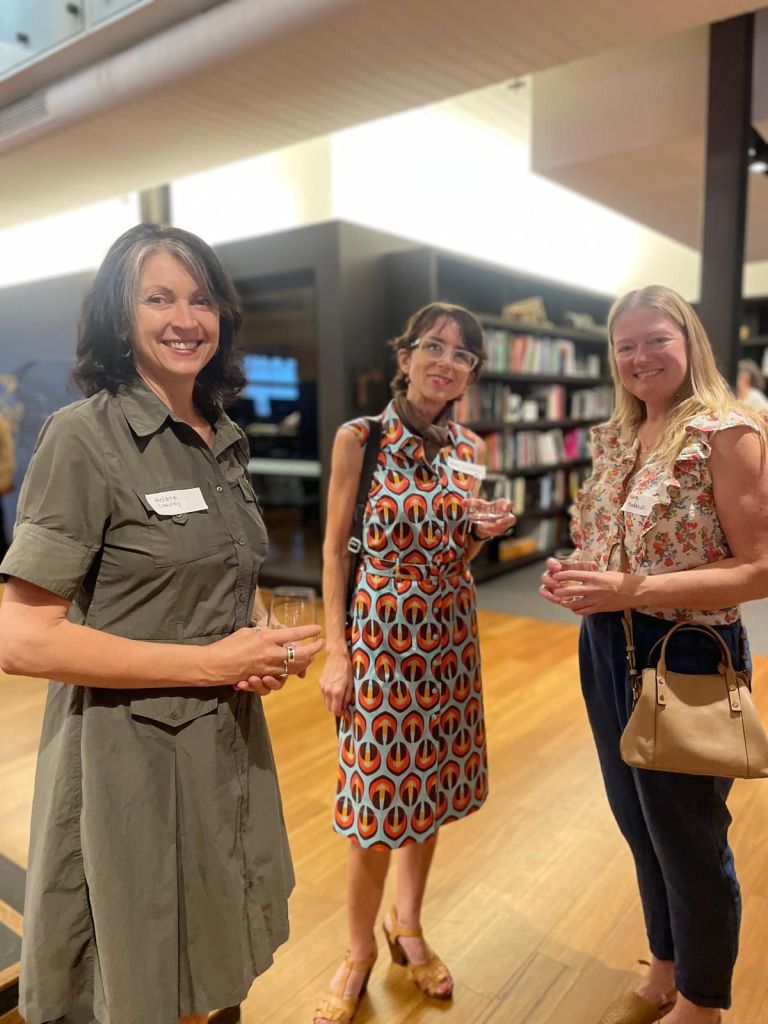
With a full house Cox Architecture , our first event of the year was a huge success!
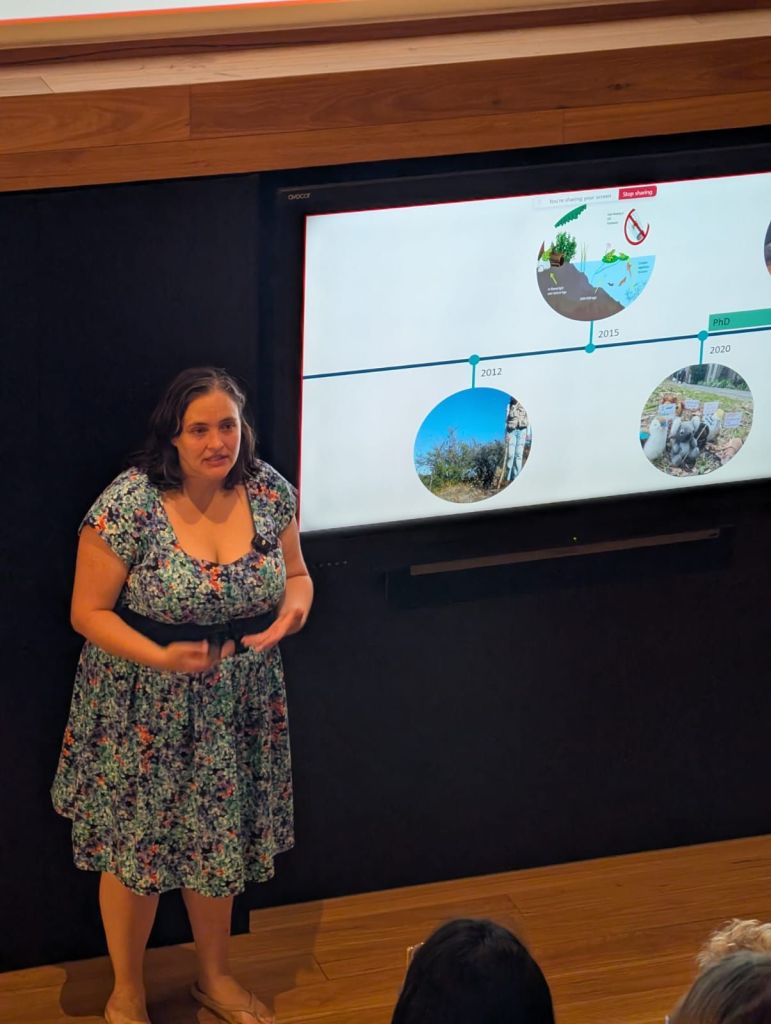
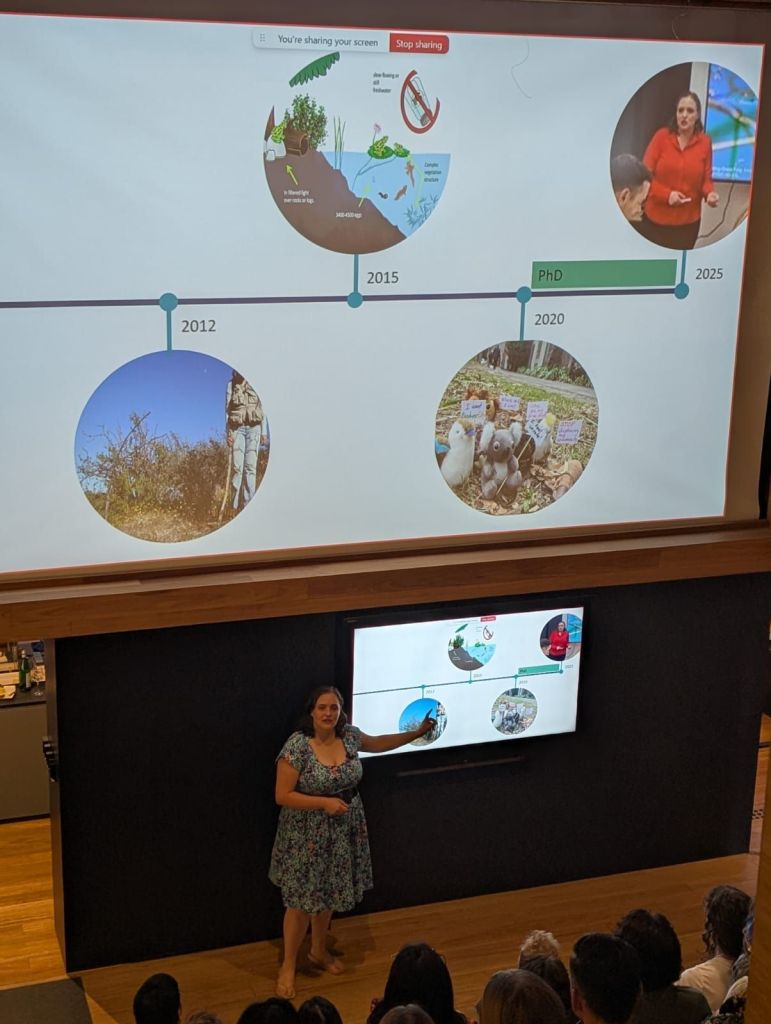
The session chaired by Dr Sarah Bekessy and presented by biodiversity thought leader Dr Cristina Hernández Santín Hernandez who artfully and engagingly orated her findings on Biodiversity Inclusive Design (BID) to celebrate the culmination of her PhD and how we can and must get “Natures voice at the design table”.
Three critical things to think about are:
Collaborate: Work with nature and its patterns.
Design Beyond Human Needs: Consider desires and requirements beyond just human-centric design.
Inform Your Design Thinking: What’s guiding your decision-making processes?
🍃 Embrace slow design; even in fast-paced projects, identify opportunities to pause, reflect, and listen deeply.
🍃 Incorporate materiality—specifically biophilic design concepts—such as nature-based materials and living infrastructure. Think of the species as clients: consider the life cycle of local species and explore what can be integrated into your designs.
🍃 How do you create the space to write from the perspective of a species? What are its hopes, joys, and dreams? When working on design-specific projects, you serve as a crucial catalyst for systemic change. It often feels like there are elements beyond design that prompt reflection on what you can achieve.
In your design, you plant the seeds (both literally and figuratively) for people to connect and embrace biodiversity. Not every project can encompass all goals, but every conversation contributes to shared potential. Perhaps it won’t be immediate—maybe the change will emerge next time, or even in ten years—but that discussion may ultimately catalyse a biodiverse, nature-rich city.

Buildings Reloved
Considering intersections of place, culture, & carbon – The role of existing buildings in our sustainable future
Thursday 5 December 2024
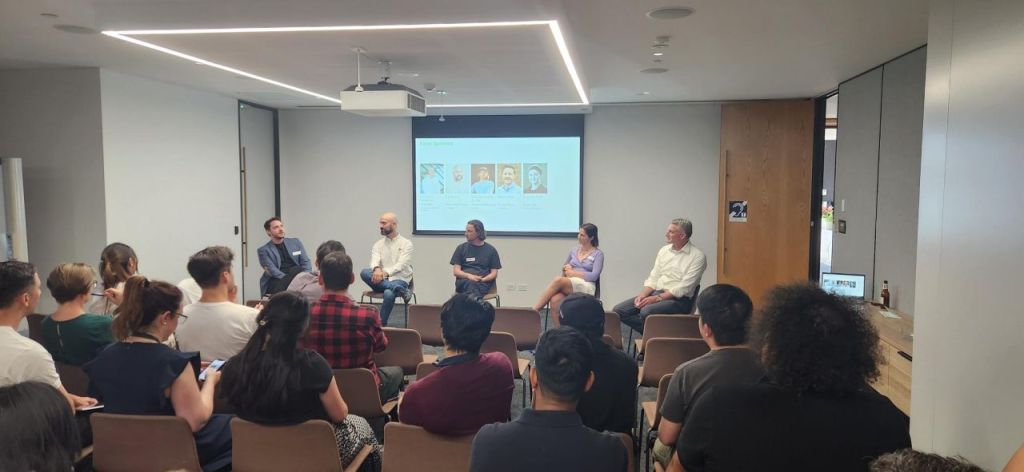
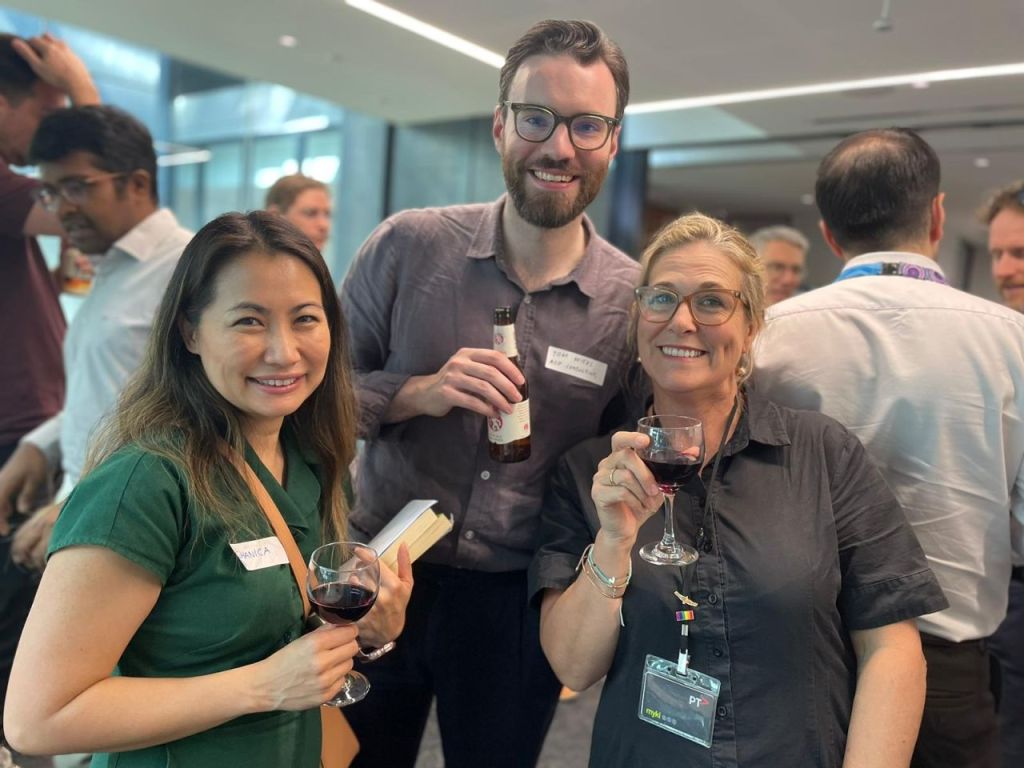
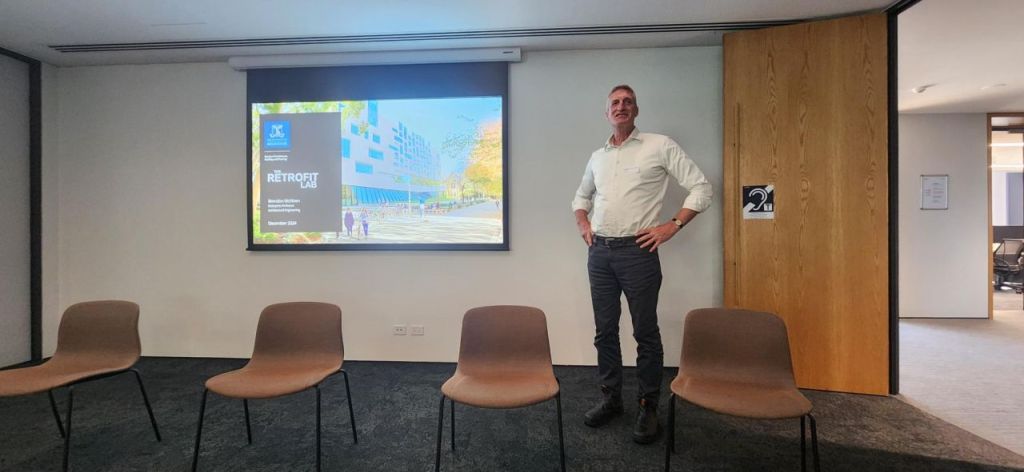
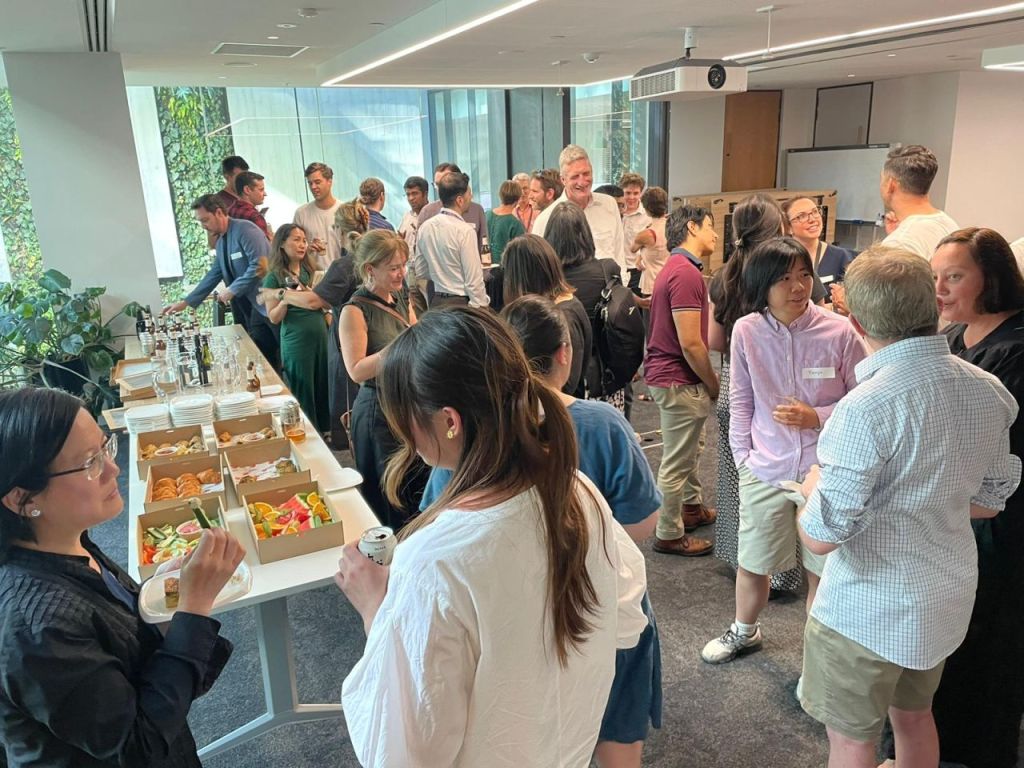
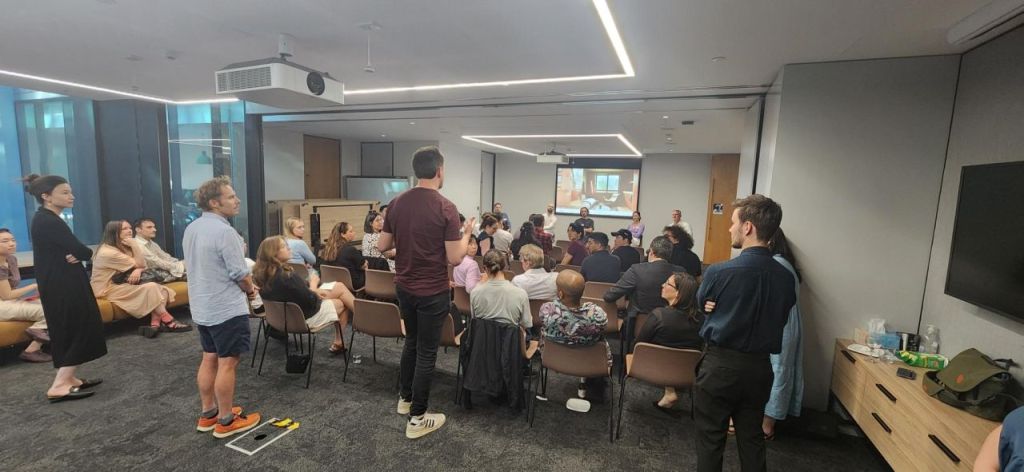
So many good reasons to retrofit and adaptively resuse our existing buildings, but it remains the path less traveled in Australia. That was the message at the Atelier Ten Buildings Reloved event last night, hosted in partership with the Melbourne Regenerative Design Forum. Thanks to our insightful panel and speakers Brendon McNiven, Gavin Salt, Edward Bond, Kaia McCarty-Smith and Isabella Fyfe. Thanks also for the many people who came along, clearly energised by this topic of discussion and opportunities to reduce the roadblocks and change practice – thanks for your questions.
Some takeaways:
- This isn’t just about hashtag#carbon – The social value of retrofits and adaptive reuse projects can be significant and when we retain buildings we can enhance, rather than destroy the existing social fabric.
- What if we thought of buildings like a Kinder Surprise Egg? – Occupancies can change, as can the wrapping and interior fitouts, but the structure remains the same.
- Embodied energy will become the main game for carbon reductions, representing 85% of a building’s carbon emissions by 2050.
- We need to be careful about chasing energy efficiency at the expense of embodied carbon or we may increase the lifecycle carbon footprint.
- Given the increase in construction costs, reusing all or part of existing buildings has been demonstrated in Australia to save significant capital cost.
- Existing policy, regulations and insurance issues can be major impediments to adopting retrofits and adaptive reuse.
- The most successful projects involve a high degree of collaboration between building owner, architect, consultants, builder and investors.
- There is currently a significant skill and capability gap since retrofit and adaptive reuse projects require a different approach, a shift in design ethos and new technical knowledge.
Unlocking Nature’s Wisdom: Biomimicry and Regenerative Practice Workshop
Thursday 31 October 2024
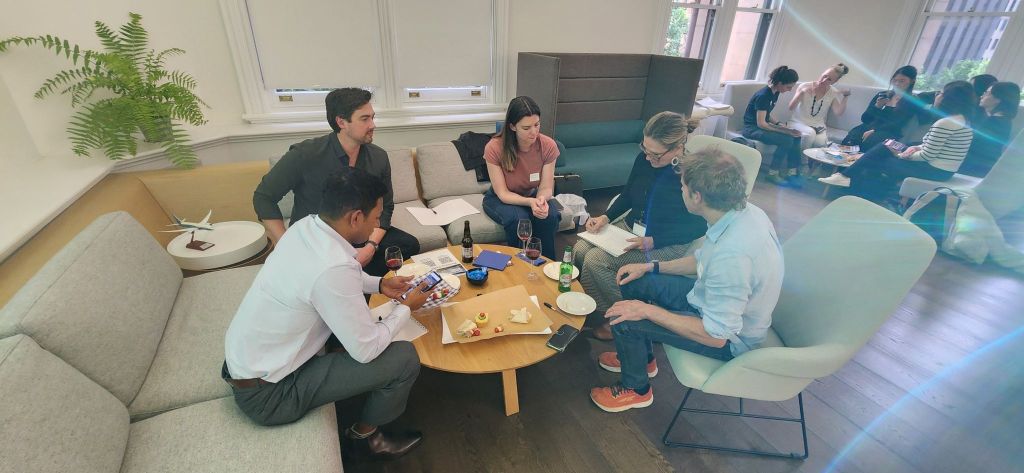
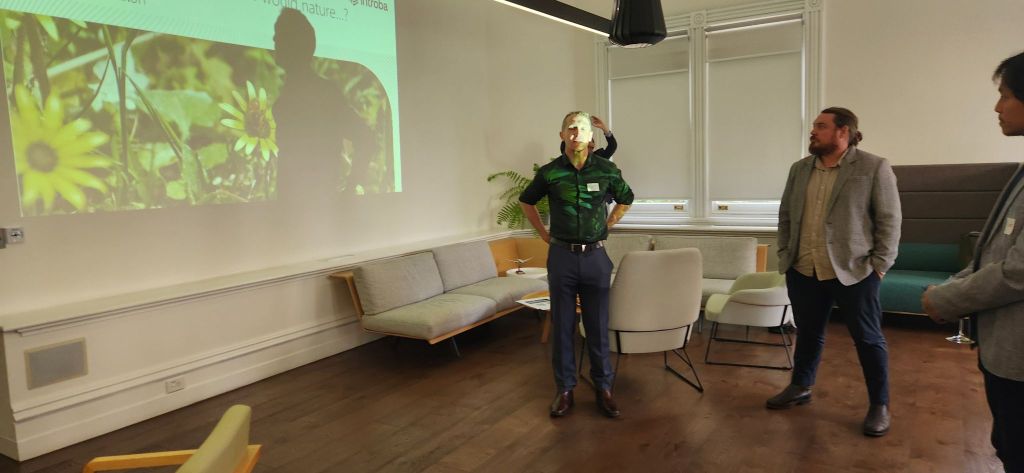
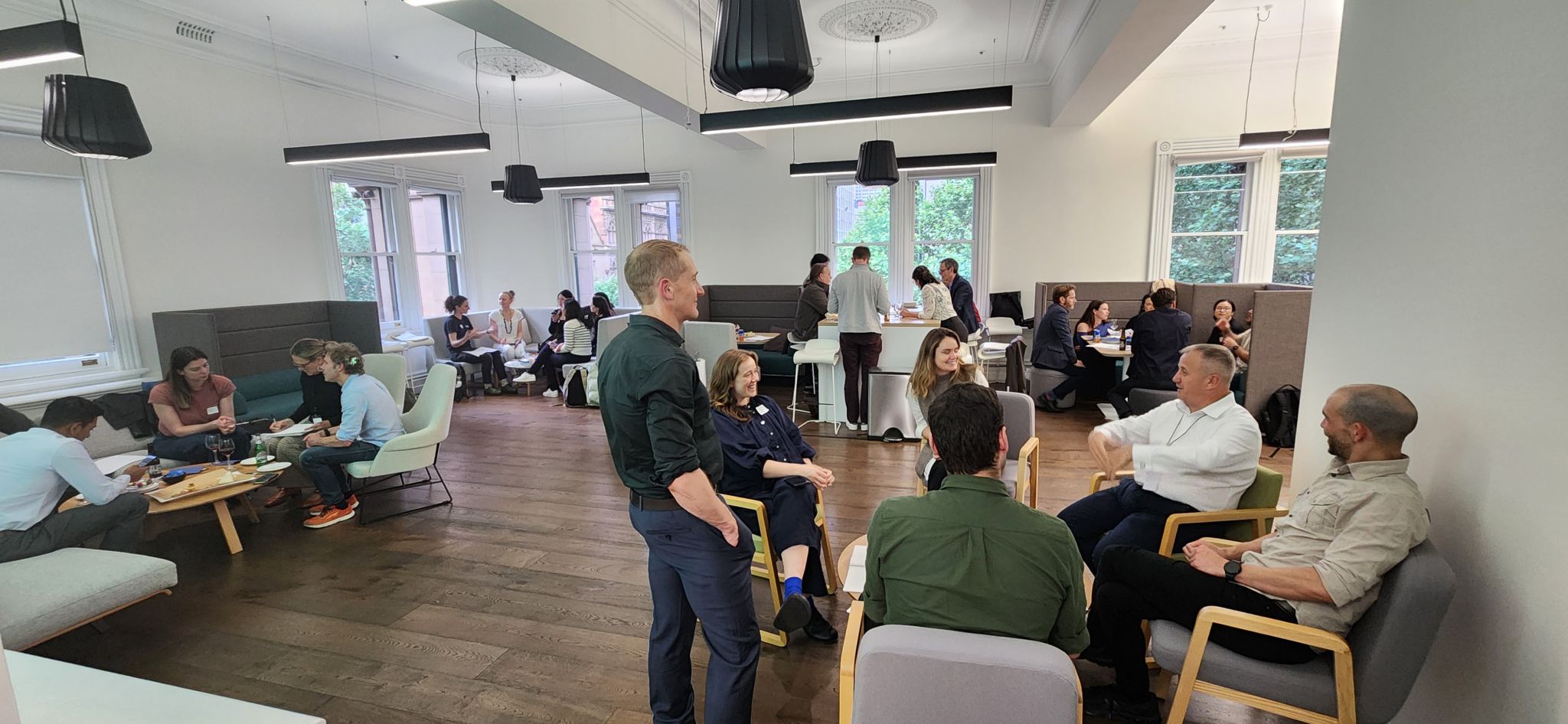
We can all generate many creative and mind blowing ideas for designing regeneratively – we just need to “Ask Nature” for advice. Well done to Introba for hosting the Unlocking Nature’s Wisdom: Biomimicry and Regenerative Practice Workshop last night, another Melbourne Regenerative Design Forum event.
Thank you to Matthew Webb for unpacking this topic for us and sending us on our breakout group missions to apply the process.
Thanks also to David Barker and Dave Arnott for pulling together this event. We can look to biomimicry to help us with just about every topic in design.
While it’s not a new source of design inspiration, Velcro was an innovation based on the Burdock plant, it’s an increasingly important direction for regenerative design. Think innovation that avoids toxicity, uses less energy and resources, and contributes to system wide health. Biomimicry should be a core subject in every engineering and architectural course and part of on-going professional development training.

Ripples of Hope: A Walk for Jeff
Thursday 27 June 2024

On a wintery late afternoon, a group of 45 gathered for a 3-hour walk through Melbourne, starting at the Melbourne School of Design and finishing at Docklands. Various projects led by Jeff Robinson were visited, with stories shared about their impact and the ripple effects created. Through interactive activities, participants were invited to reflect on these ripples and translate them into personal insights.

At each stop, participants:
- Learned stories about the sustainability features of various sustainable buildings.
- Discussed Jeff’s role in this or other projects in the area
- Engaged in a participatory activity that invited stories of working with Jeff, engaging with his vision, or facilitating sustainable outcomes in their own lives

To read participants' personal reflections from the day, visit Dr Domnique Hess' LinkedIn post here.

Jeff was well known in the industry, and beyond that, he played an important role in many lives: he was a regenerative leader.

MRDF hopes this event has encouraged reflection on the positive impact Jeff made in the industry and how everyone can work towards their own regenerative leadership.

Speakers included:
Peter Mathieson, Aurecon
Brendon McNiven, The University of Melbourne
Jessica Bennett, Aurecon
Chris Buntine, Atelier Ten
Adolfo Fernández Fernandez, Aurecon
Stephen Webb, Design Inc
Tiffany Crawford, City of Melbourne
Andrew Norbury, Metier3
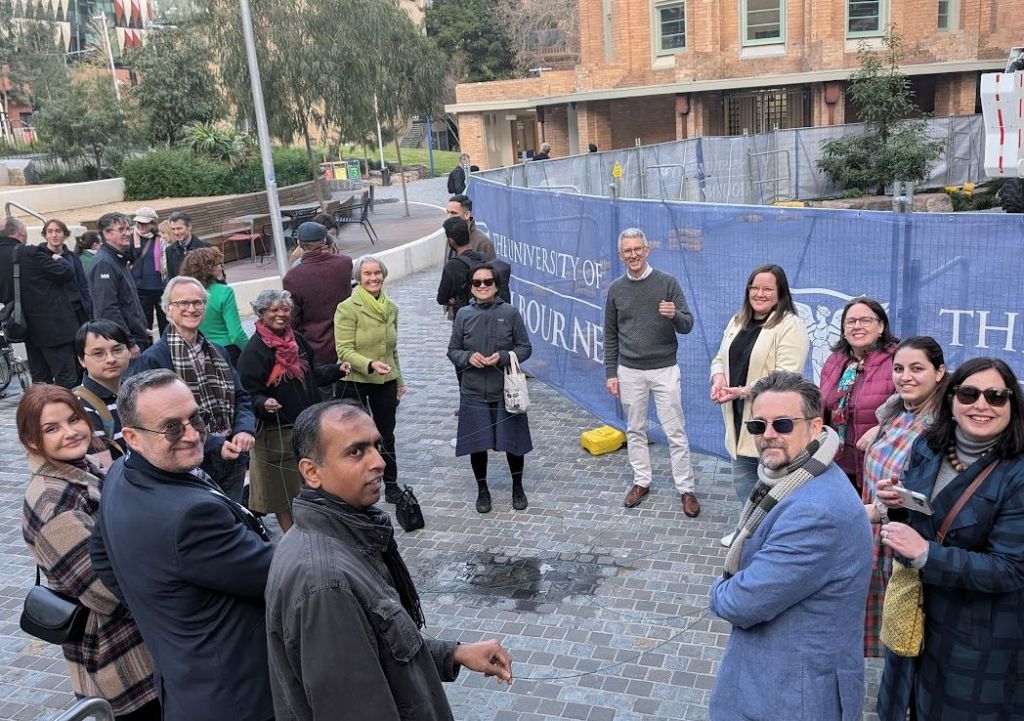
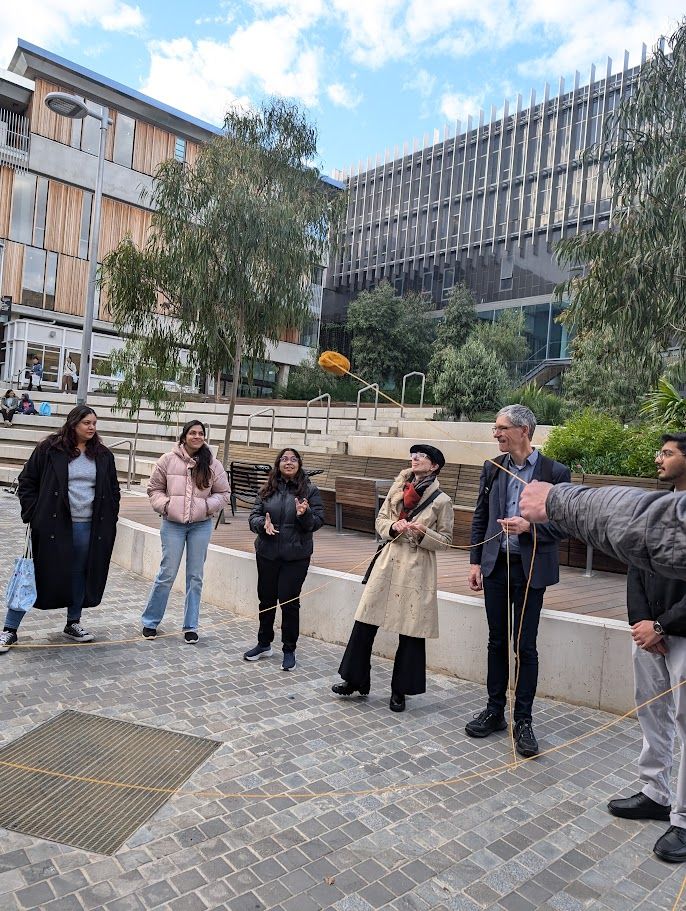
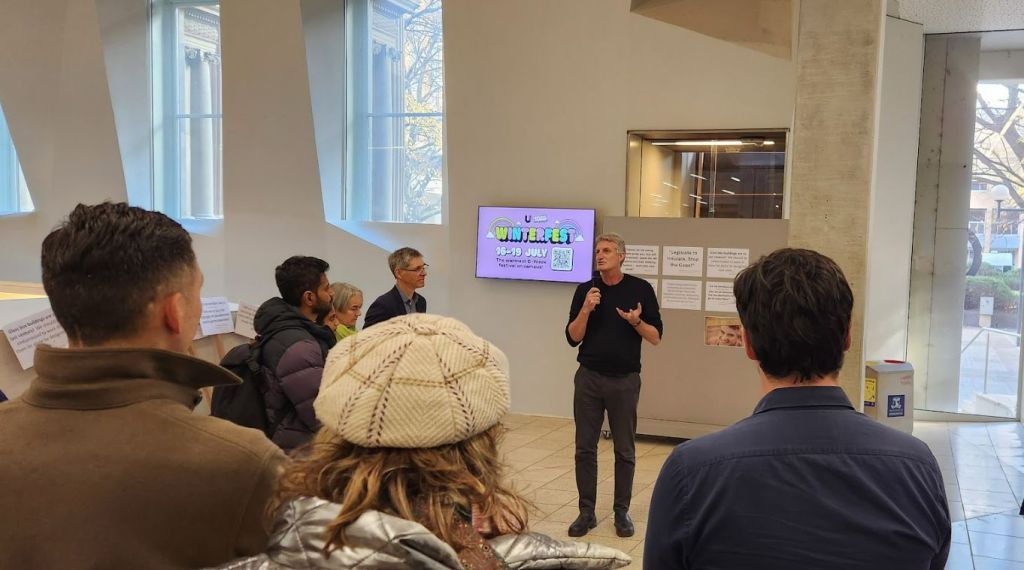
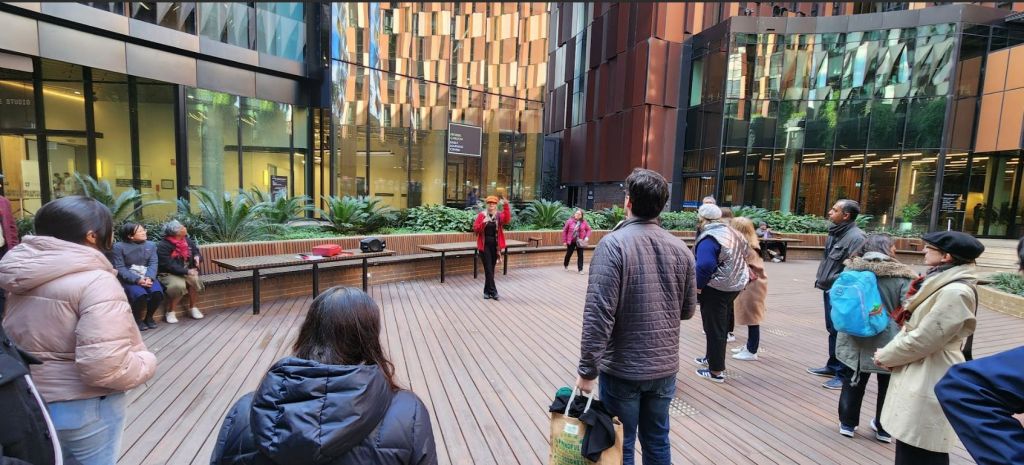
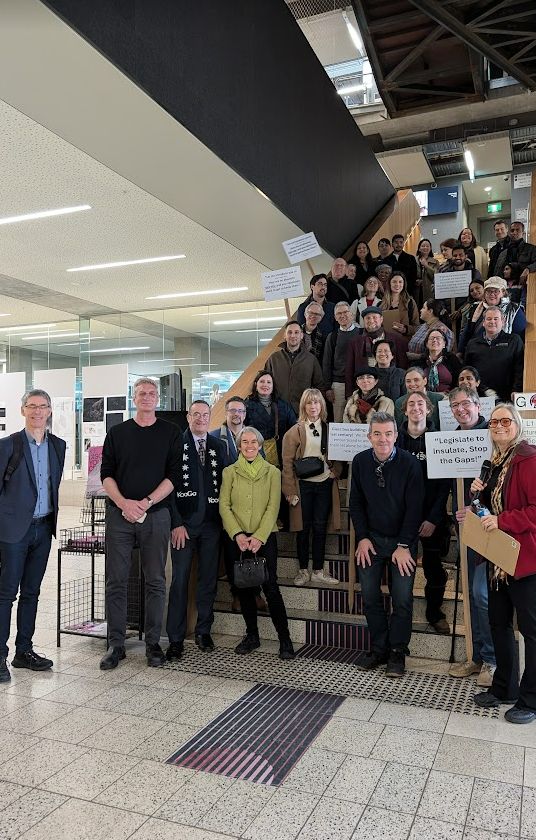
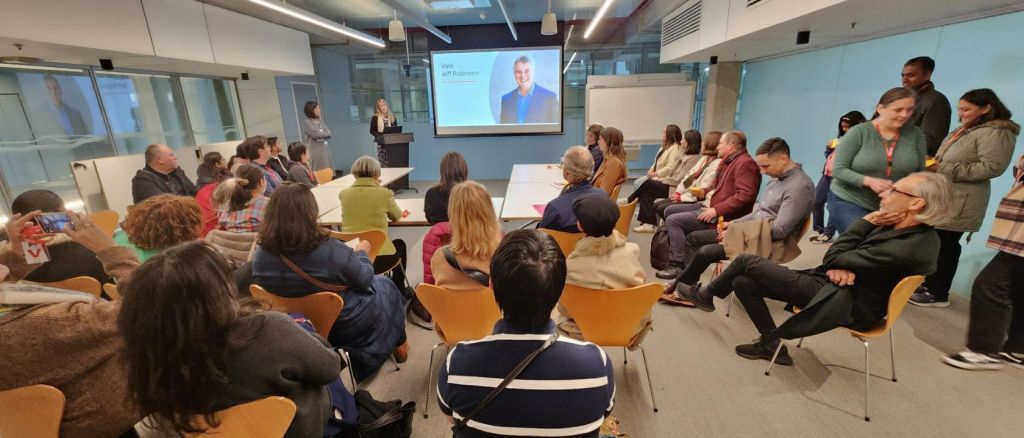
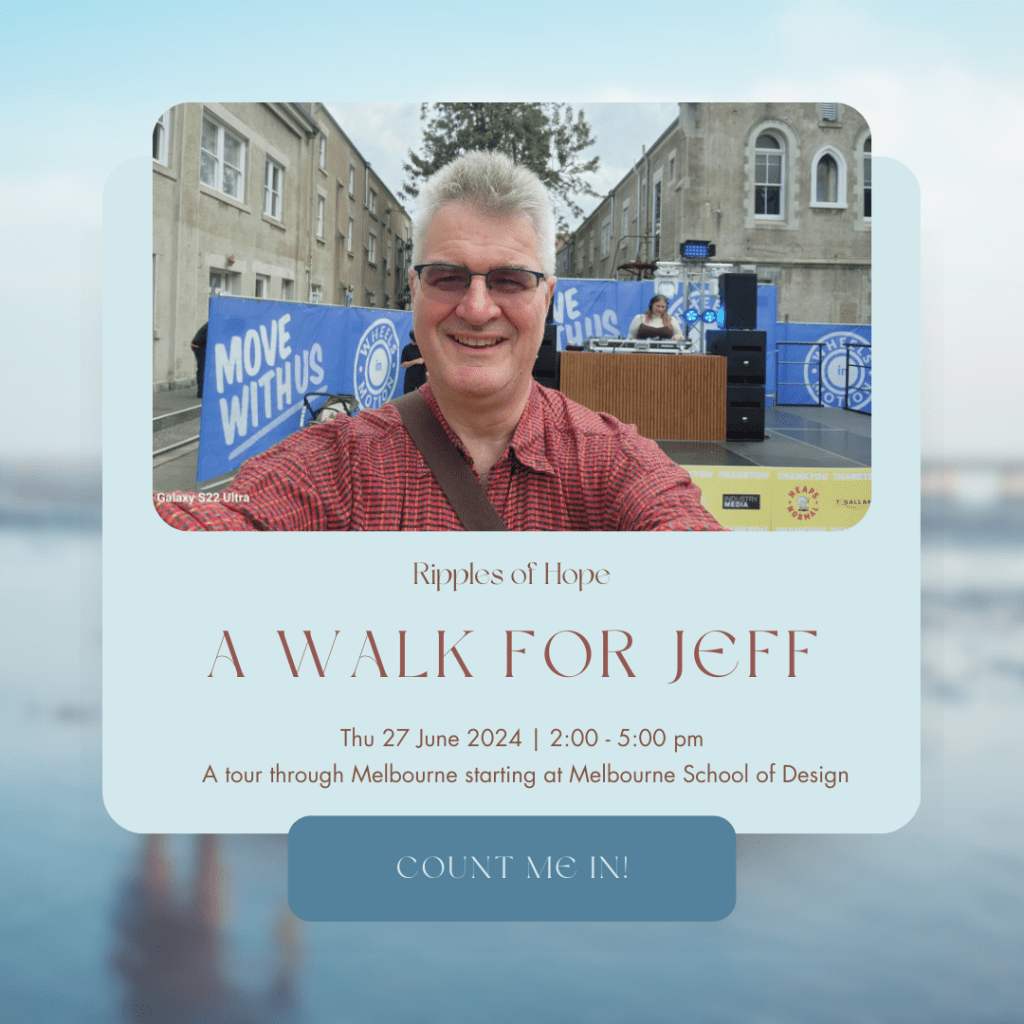
Image copyright: Dominique Hess
Forest Stewardship Council (FSC) certified building materials
May 1, 2024
What are they? Where can we get them? How can they be incorporated into building projects?
Presentations:
- Stefan Jensen, Policy and Standards Manager, FSC Australia
- Nick Capobianco, Regional Affiliate of SCS Global Services for Oceania, SCS Global Services
- Joe Ballester, Country Manager Australia, Abodo Wood
- Ed Bond, Principal, Robert Bird Group
- William Cassell, Architect, Cox Architecture
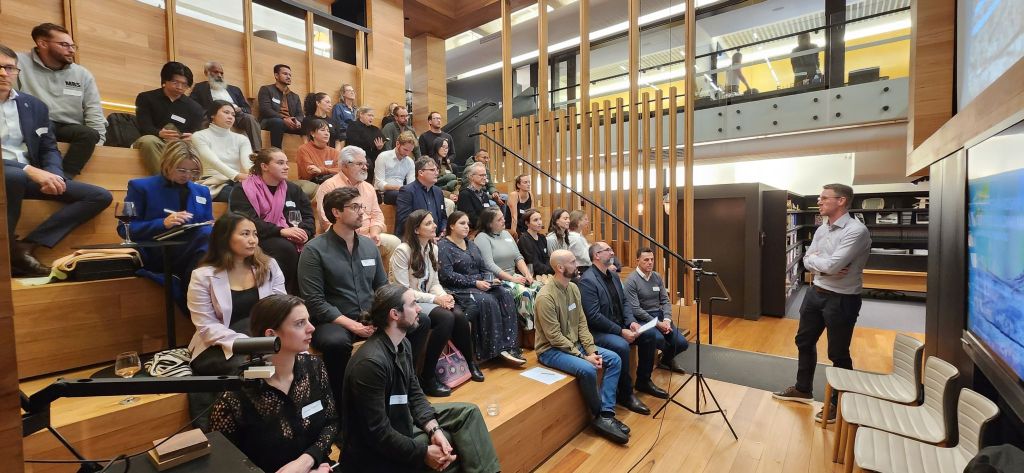
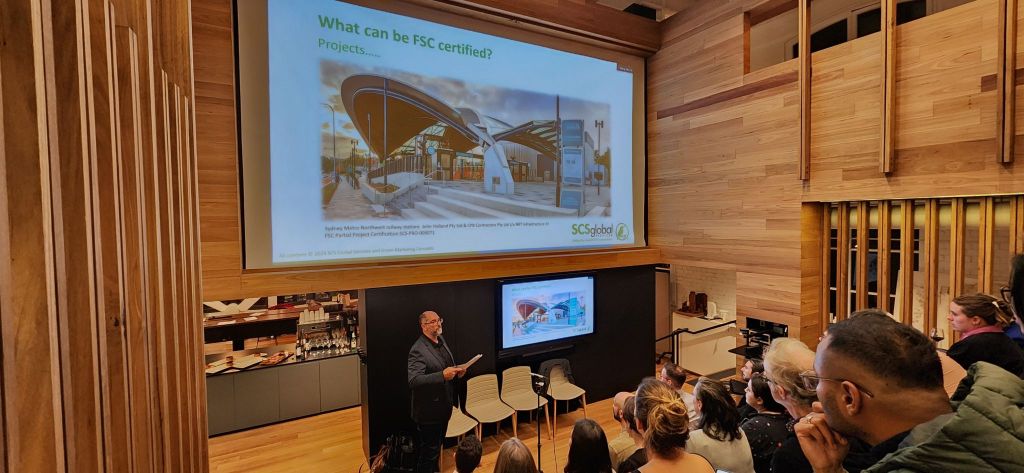
Hosted by Cox Architected, the panel speakers provided attendees with an in-depth exploration of sustainable timber and the robust framework that FSC Certification provides around Chain of Custody.
Discussions centred around:
- What is FSC and what is its unique value proposition in relation to other certification schemes for wood and wood content products?
- Where is it available? What suppliers are active in FSC locally / internationally? How can I find them?
- How can I include FSC in my project? How do I specify, cost, procure FSC, and how do I manage Chain of Custody and conduct due diligence?
- What are the challenges commonly encountered when incorporating sustainable wood materials in architectural and structural elements of a building and how can they be overcome?
Illumanate Design Competition Review
March 27, 2024
Presentations:
- Luma Filter, Buchan Group
- LUMA Food Hub, Hassell and Introba
- Starfish, COX and ADP
- Between Two Creeks, Includesign and Mine the Sky
- Ordinary Extra Ordinary, AHMM
- Anima, i2C and Northrop
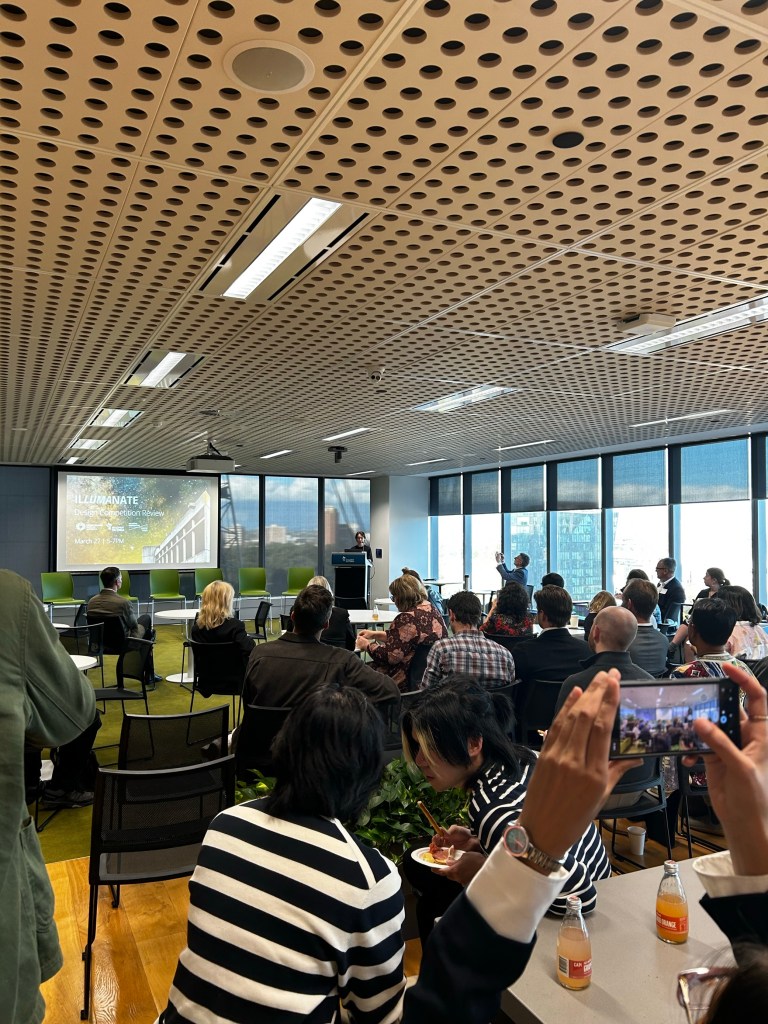


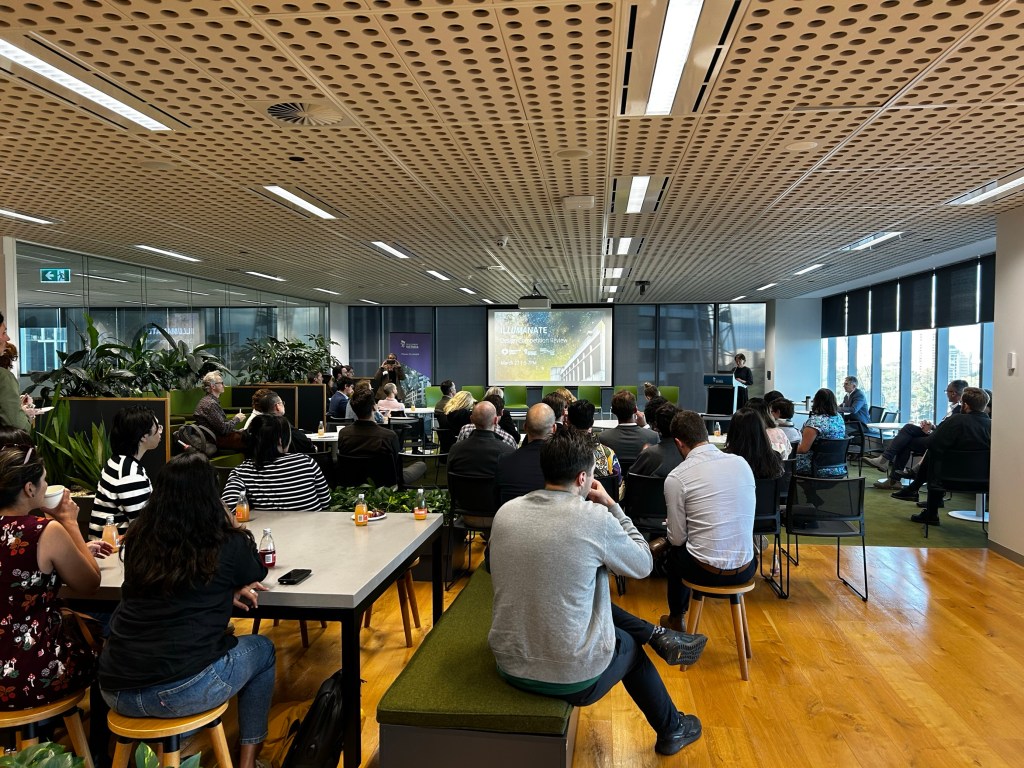

A retrospective look at the Illumanate Design Competition held by Development Victoria and the Living Future Institute of Australia with presentations from seven participating teams. Each team shared their entry in a pecha kucha style format, which kept the pace moving forward. Each entry was an incredible display of vision, creativity and passion for regenerative design in Melbourne.
Following the presentations, a panel discussion between Development Victoria and the competition judges provided insight on how entries succeeded and where they fell short.
Nature Positive Design
February 15, 2024
Presentations:
- Kylie Galway, Aurecon
- Matt Sykes, Regeneration Projects
- Stephanie Sirianni, Nature Collective
- Skye Haldane, City of Melbourne
- Ash Knop, Wilderlands
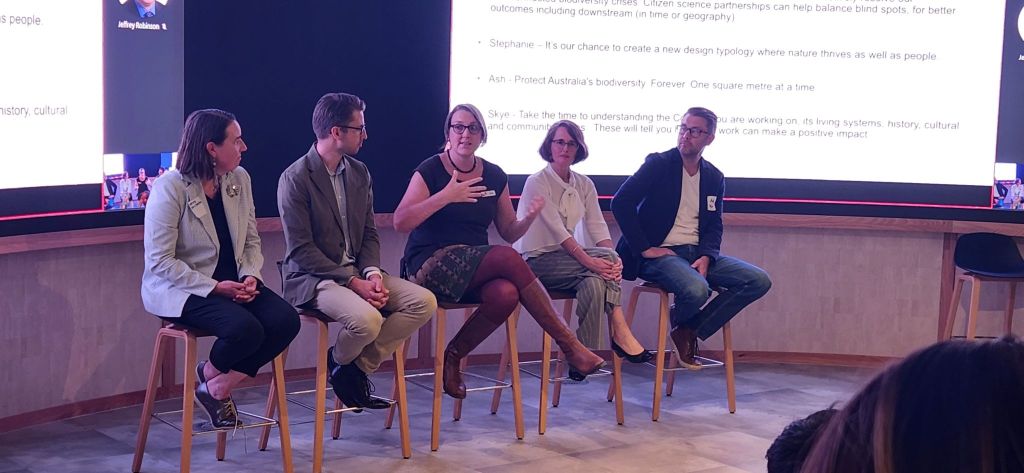
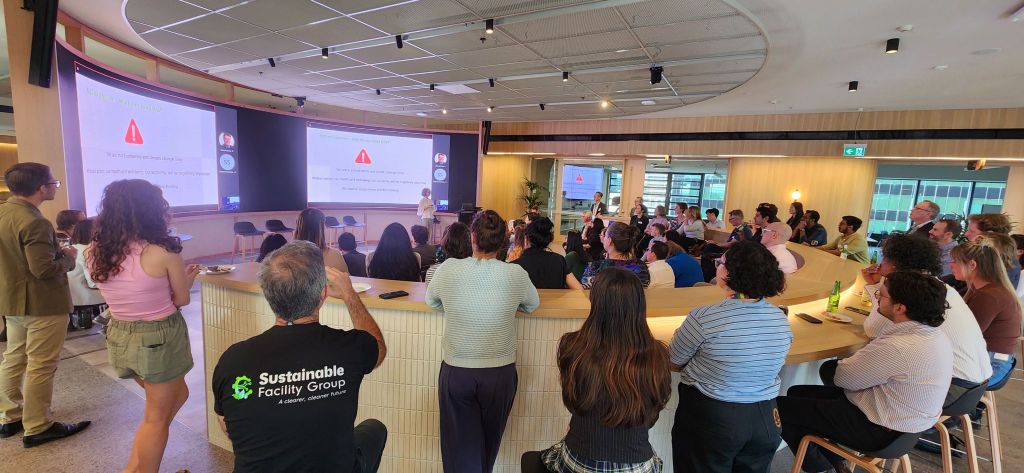
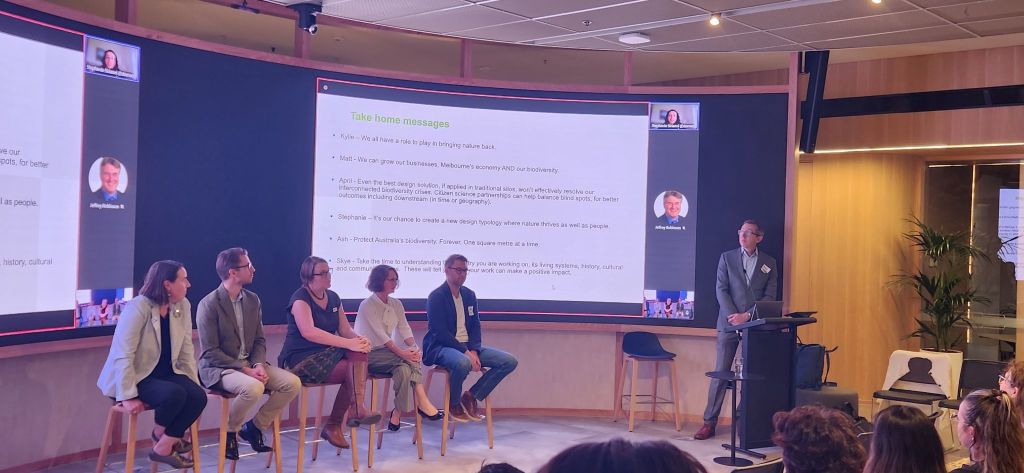
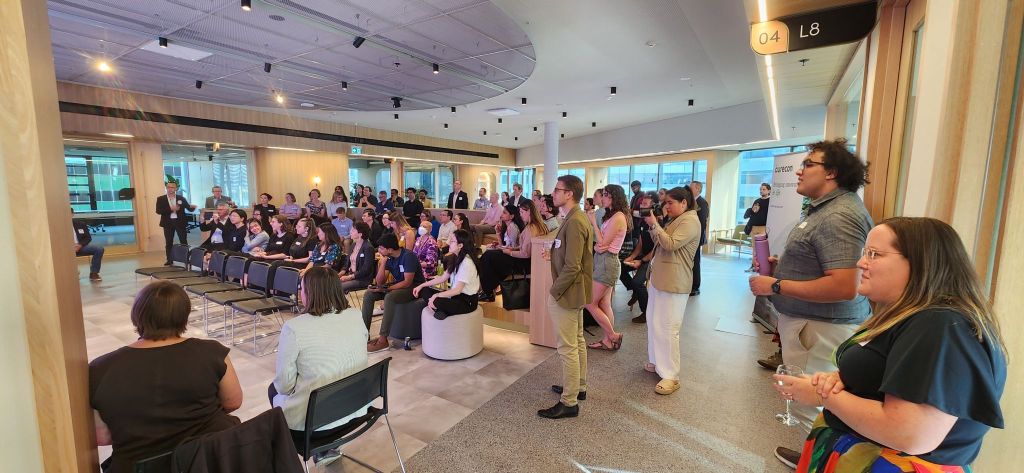
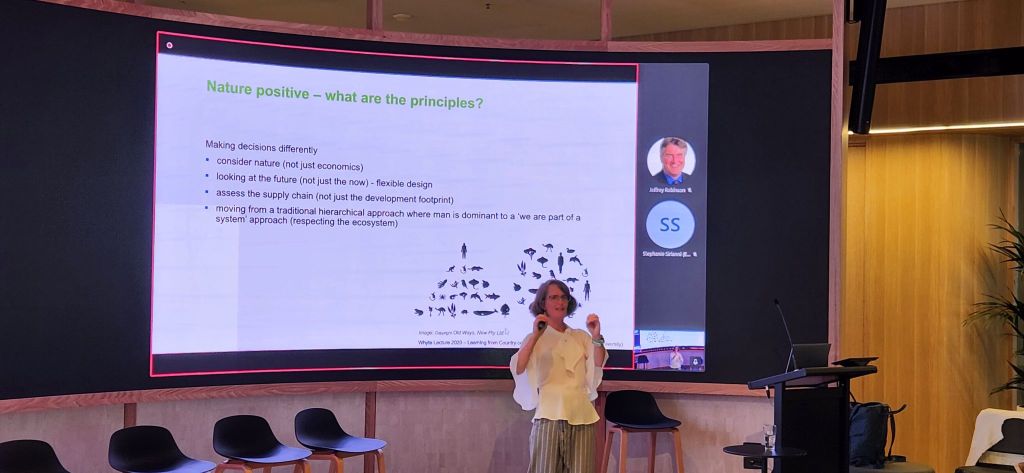
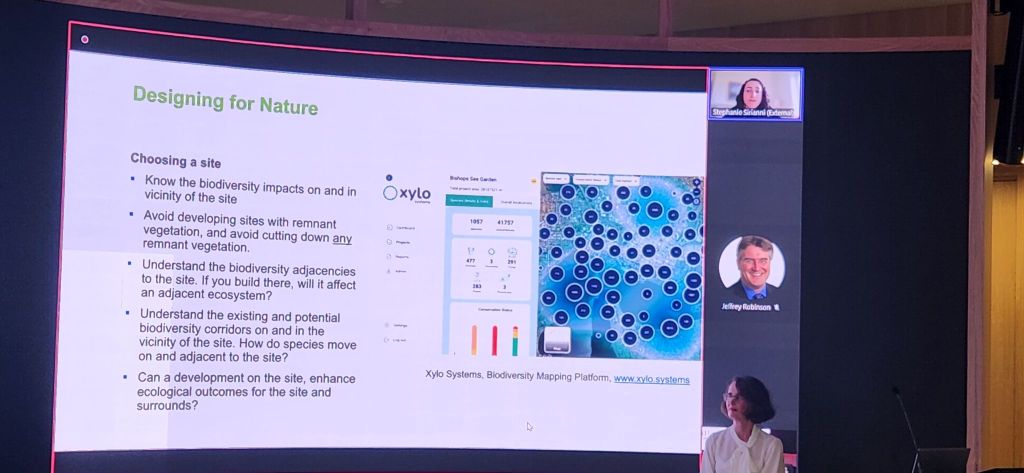
Melbourne is in a climate and biodiversity crisis. While decarbonisation is a focus for many companies, we also simultaneously need to address biodiversity decline. At this event, we heard from a line up of experts who spoke on nature positive thinking beginning at understanding what nature positive is, why we need it, why we need it from a First Nations perspective, how we might design the built environment with nature positive thinking at the forefront, how to protect our precious ecosystems and lastly how we bring nature back into our city.
Redefining Value: Businesses driving positive change in the way we work.
November 23, 2023
Presentations:
- Claire Bowles, i2c Architects
- Matt Sykes, Regeneration Projects
- Marnier Hawson, Soul Trader B Corp
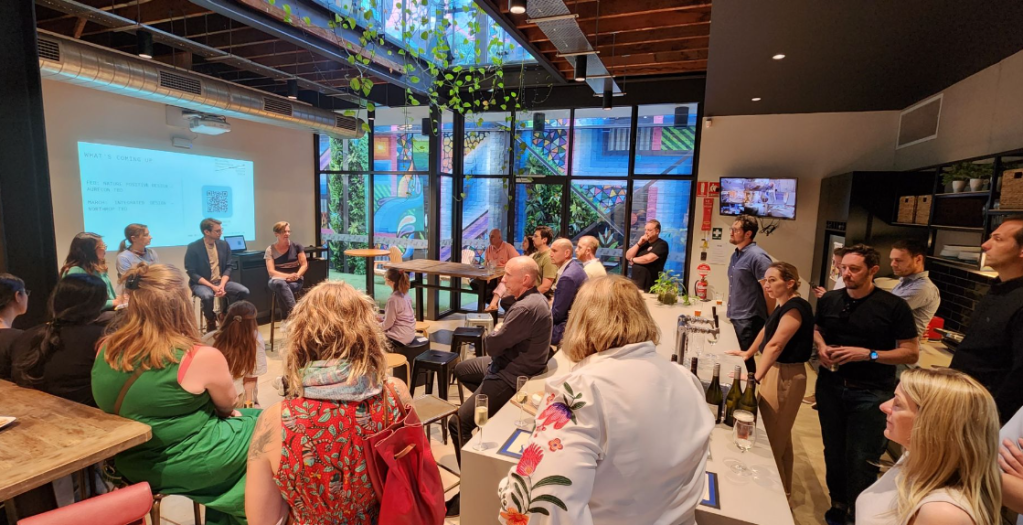
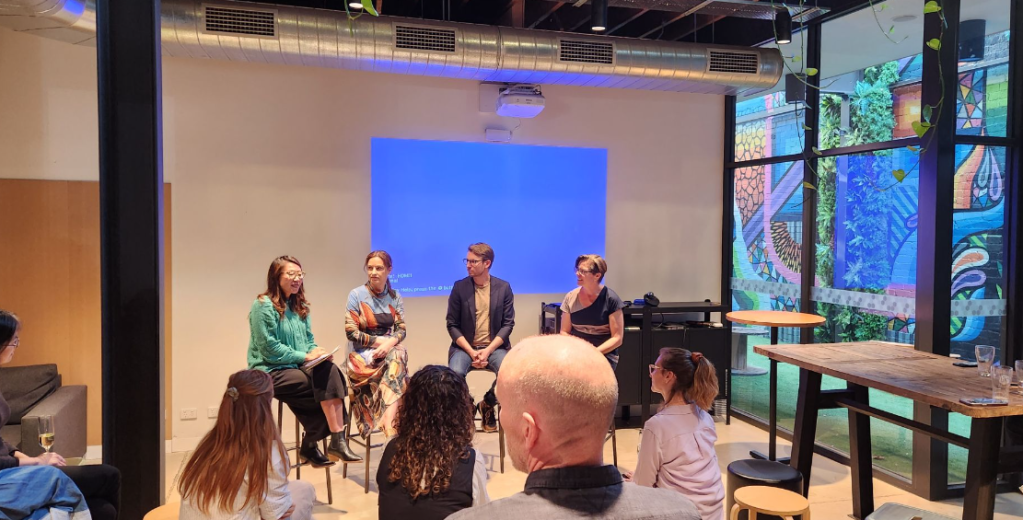
There is a global shift towards a regenerative economy with collectives of organisations across the globe coming together to challenge not only our existing business models but also the way our wider economic system works. These groups are working with furious energy to create the conditions for a thriving future through new models of business. We are seeing businesses taking responsibility to create social, environmental, and economic net positive value through their work, while the interest and traction around Regenerative Business and leadership is growing like never before.
Reimagine Biophilia: Unveiling Nature’s Blueprint in Design
October 10, 2023
Presentations:
- Shanica Hall on Biophilic Design
- Gyungju Chyon on Mycelium
- Sarah Naarden on Connecting to Country
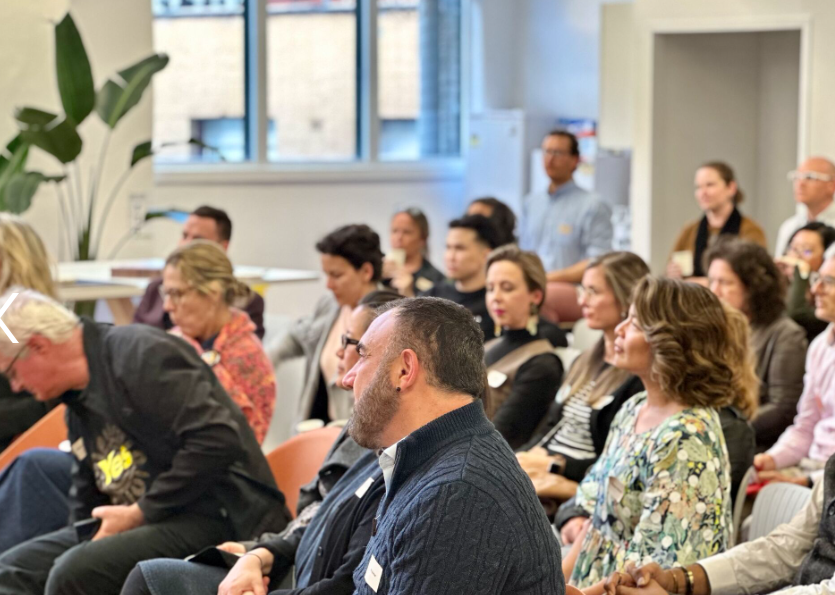
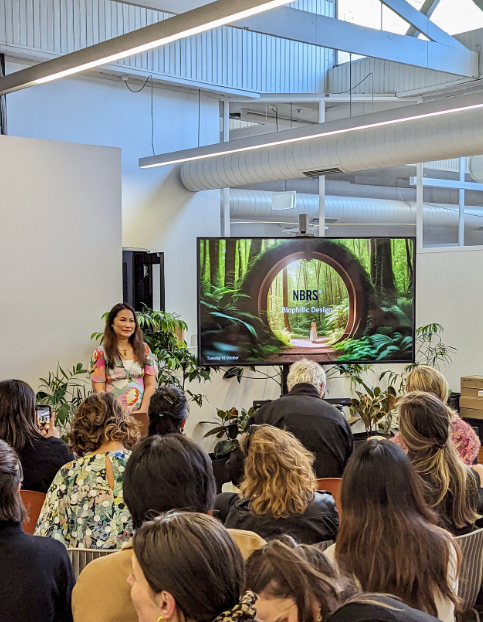
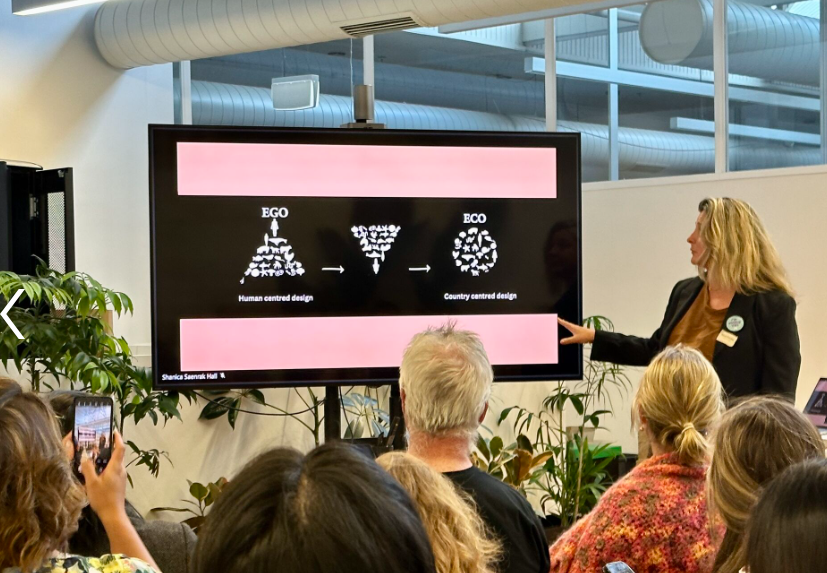
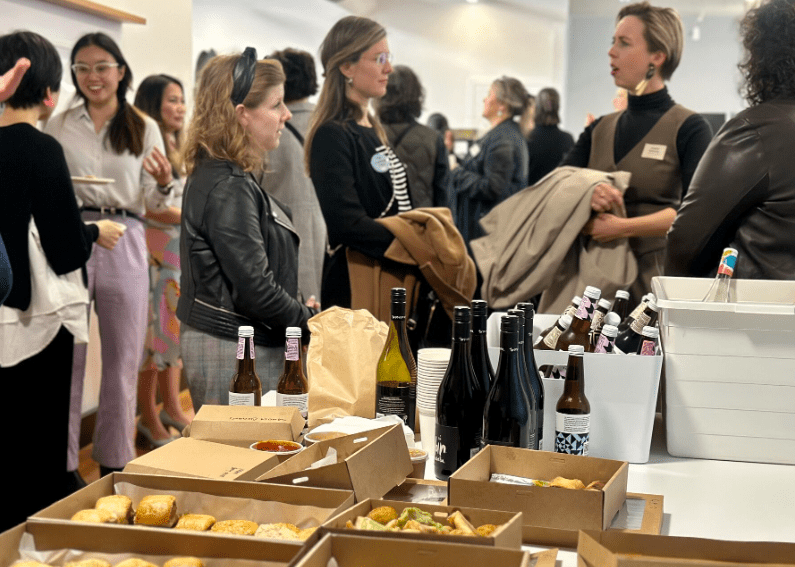
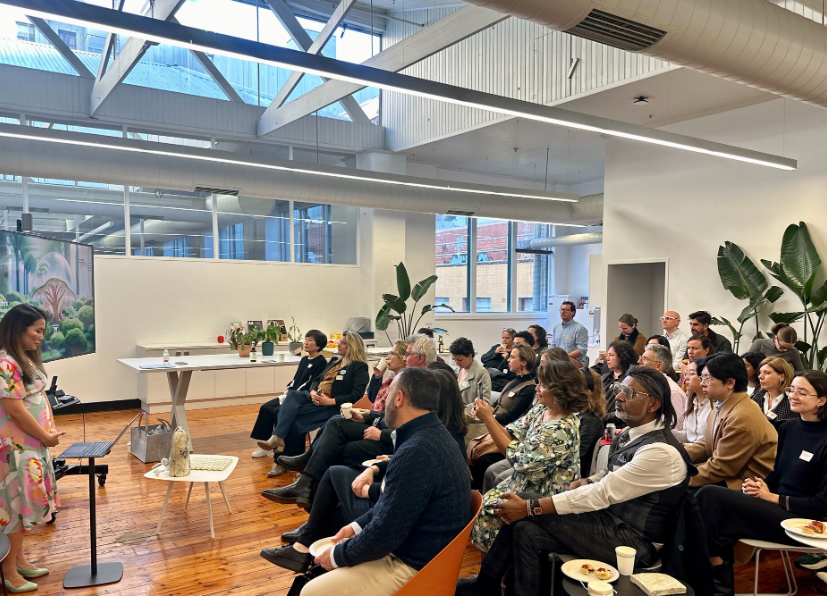
At this event, we journeyed through the landscape of biophilic design attributes and the nuanced realm of Healthy Building, all while unravelling the intricacies of Inclusive Urban Biodiversity.
We explored the innovative application of the inspiring world of Mycelium. Then we discussed Connecting to Country: Decolonizing through Decarbonizing, delving into the fusion of cultural reclamation and environmental stewardship, guided by indigenous wisdom. Join us as tradition and progress converge, guided by indigenous knowledge, on a transformative path forward.
Carbon Neutrality in the Built Environment
August 3, 2023
Presentations:
- NDY on Carbon Neutrality
- Hassell on integrating carbon neutrality in design outcomes
- South Pole on the state of carbon offsets

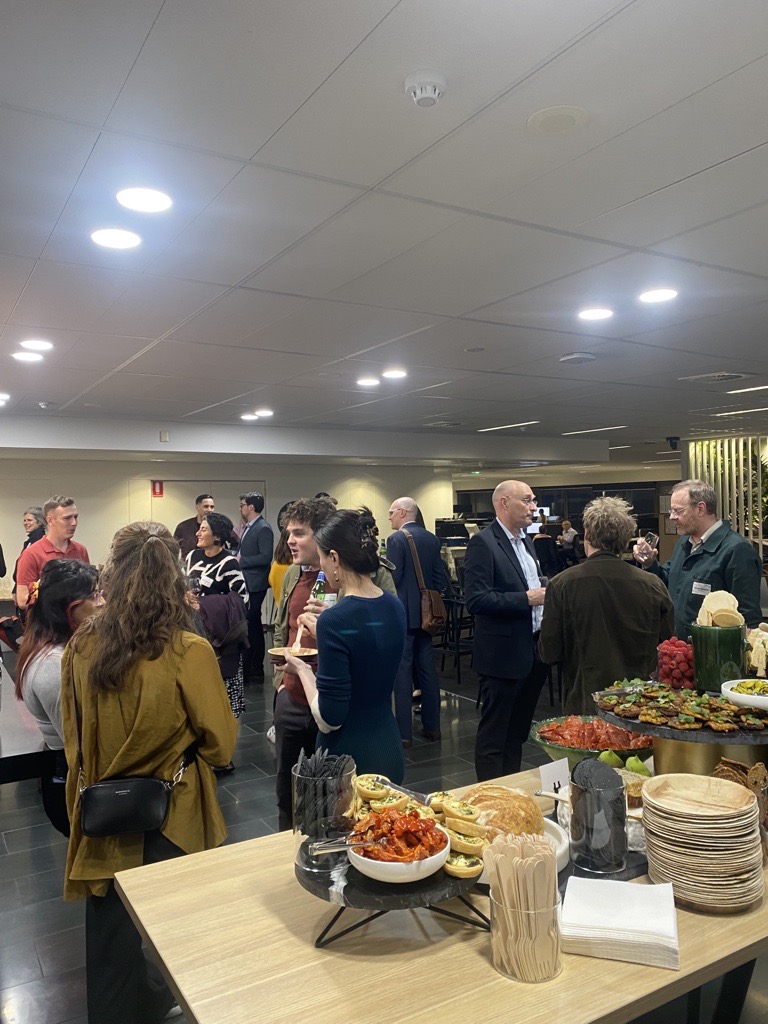


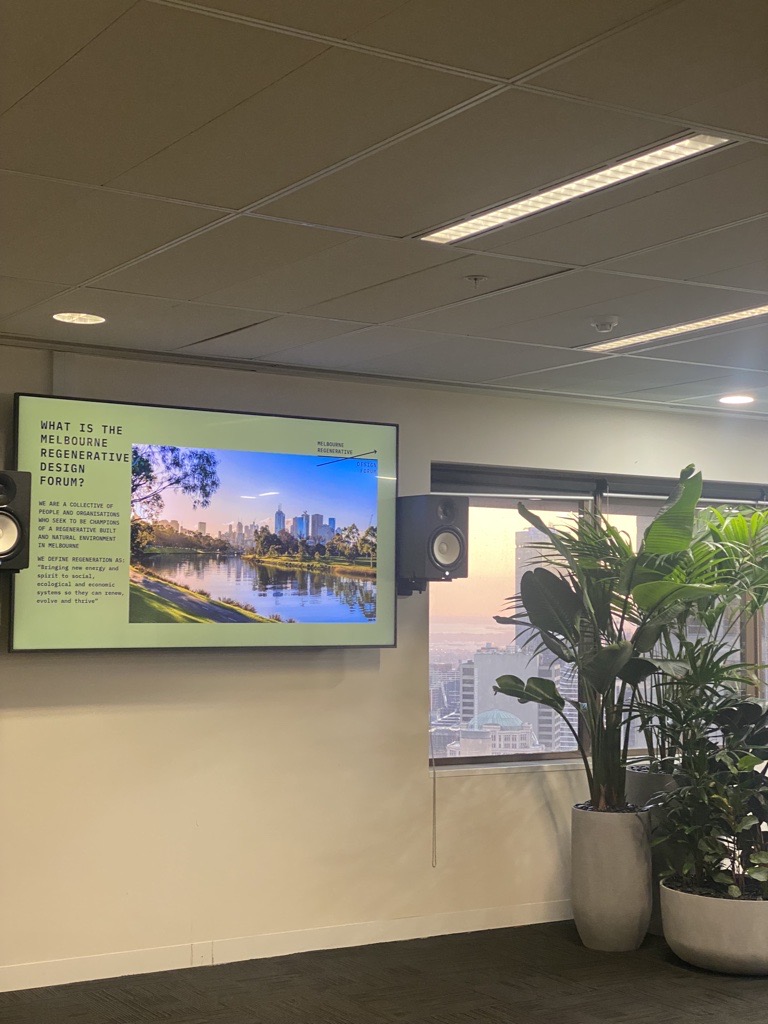
Our buildings, places and businesses are having to make a serious effort to reduce carbon emissions. This includes commitments to carbon neutrality, net positive carbon, zero carbon and climate positive. NDY has partnered with the Melbourne Regenerative Design Forum to host an industry networking event to discuss and unpack these topics with advice on where to start, tools available, how this is being achieved, lessons learned and case studies from around the world.
 Melbourne Regenerative Design Forum